

What the ACAA Actually Covers
The Air Carrier Access Act is a federal law that prohibits airlines from discriminating against passengers with disabilities. It applies to all U.S. commercial air carriers and to foreign carriers operating flights to or from the United States. The Department of Transportation enforces it through regulations found at 14 C.F.R. Part 382.
Under current federal law, airlines must permit trained Service Dogs to accompany handlers in the cabin at no extra charge. The DOT's updated final rule, which took effect in 2021, narrowed the definition of covered animals to psychiatric Service Dogs and other task-trained Service Dogs. Emotional Support Animals no longer have a protected right to fly in the cabin under the ACAA, though individual airlines may still choose to accommodate them.
Knowing what the ACAA covers is step one. Knowing what happens when an airline ignores it is an entirely different conversation.
Where ACAA Enforcement Breaks Down
Here is the hard truth: the ACAA has real enforcement gaps. Unlike the Americans with Disabilities Act, the ACAA does not grant passengers a private right of action in federal court. That means you cannot sue an airline directly under the ACAA the same way you could under the ADA.
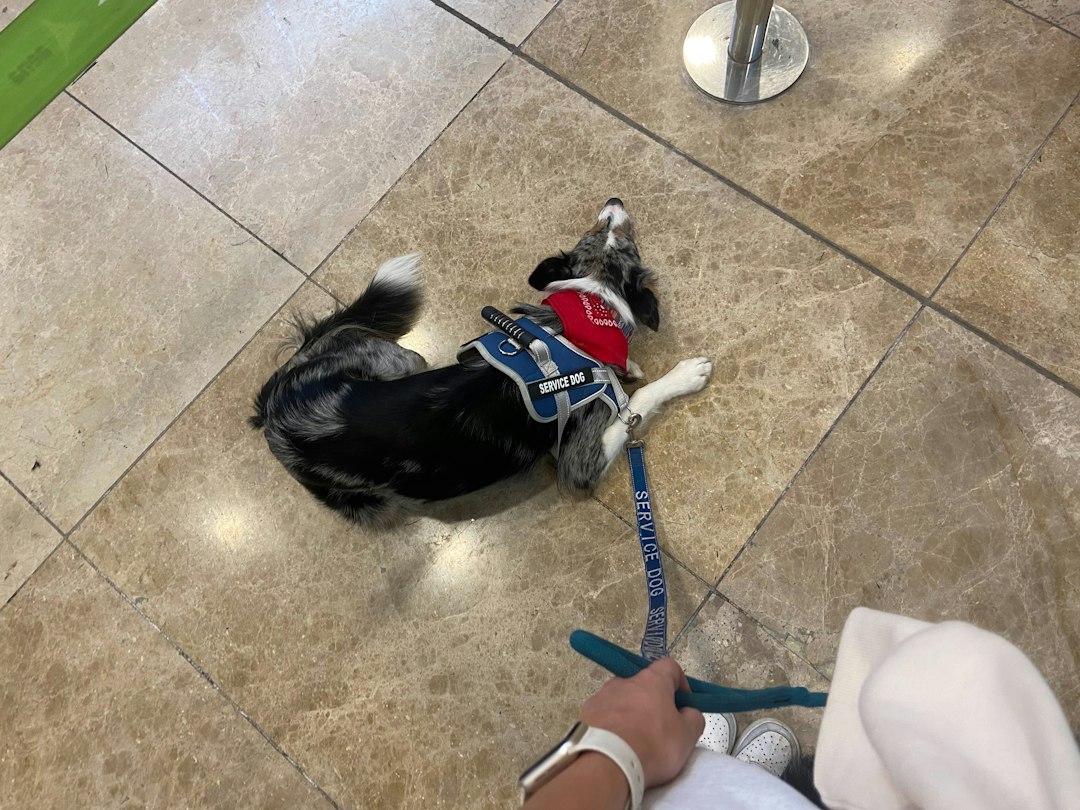
Gate agents routinely misapply the DOT's behavioral standards. Handlers are denied boarding, forced to check their Service Dogs as cargo, or subjected to invasive questioning that goes beyond what Part 382 allows. When these violations happen at 40,000 feet or in a terminal minutes before departure, there is no immediate enforcement mechanism to stop them.
The DOT's Aviation Consumer Protection Division receives thousands of disability-related complaints each year. But individual complaints rarely result in fines against specific airlines. The agency tends to issue guidance letters or, in aggregated cases, consent orders against carriers that show a pattern of violations. For the individual handler, the outcome of a single complaint is often an apology letter from the airline and no meaningful consequence.
How the DOT Complaint Process Works
Filing a complaint with the DOT is the primary administrative remedy available to handlers. The process is more formal than most people realize, and doing it correctly matters if you want your complaint to contribute to a systemic record.
You can file online through the DOT's Aviation Consumer Protection portal at transportation.gov. Select "disability" as the complaint category and describe the violation with as much statutory specificity as possible. Reference Part 382 directly. Name the regulation the airline violated, not just what happened to you emotionally.
After filing, the DOT forwards your complaint to the airline, which is required to respond within 30 days. The DOT reviews the airline's response and determines whether the carrier violated federal regulations. If the DOT finds a violation, it may issue a warning, require the airline to implement corrective training, or in serious cases, pursue civil penalty proceedings.
Civil penalties under the ACAA can reach tens of thousands of dollars per violation. The DOT has issued multi-million dollar consent orders against major carriers for disability discrimination patterns. But those outcomes almost always result from aggregated complaint data, not a single incident. Your complaint is a building block, not a guaranteed resolution.
You should also file a separate complaint with the airline's designated Complaint Resolution Official, called a CRO. Airlines are required under Part 382 to have a CRO available at every airport they serve. The CRO has the authority to override gate agent decisions. If you were denied boarding, requesting the CRO on the spot and documenting their response creates a contemporaneous record that strengthens your DOT complaint significantly.
Civil Remedies and Private Rights of Action
Because the ACAA does not provide a direct private right of action, handlers need to think creatively about civil remedies. This is where legal strategy gets layered.
Some courts have found that ACAA violations can support state tort claims, including negligent infliction of emotional distress or breach of contract, because your ticket constitutes a contract and the airline's obligations under federal regulation are incorporated into that contract. This theory has had mixed success across federal circuits and you should speak with a disability rights attorney before pursuing this route.
The Rehabilitation Act of Section 504 may also be relevant if the airline receives federal financial assistance, which most major carriers do through airport improvement programs. Section 504 does provide a private right of action and prohibits disability discrimination by federally funded entities. The overlap with ACAA violations is not automatic, but in egregious cases involving a carrier that receives federal funds, a Section 504 claim is worth evaluating.
Some handlers have also pursued claims under state disability civil rights statutes, which may have broader private enforcement provisions than federal law. California's Unruh Civil Rights Act, for example, has been used in aviation disability cases. State law remedies vary significantly, and preemption by the Airline Deregulation Act is a real litigation risk that your attorney needs to address.
If you are working with a psychiatric Service Dog and need documentation that meets current DOT standards, our clinical screening process can help ensure your documentation is legally defensible before your next flight.
Documentation Strategy Before You Fly
The most effective recourse starts before you ever reach the gate. Handlers who document proactively create a stronger record if something goes wrong.
Review Part 382 before travel. Know which questions the airline is legally permitted to ask. Under current federal regulations, airlines may ask two things: whether the dog is required because of a disability, and what work or task the dog is trained to perform. They may not require documentation as a condition of travel for a Service Dog, though they may use documentation you voluntarily provide to verify the animal's status.
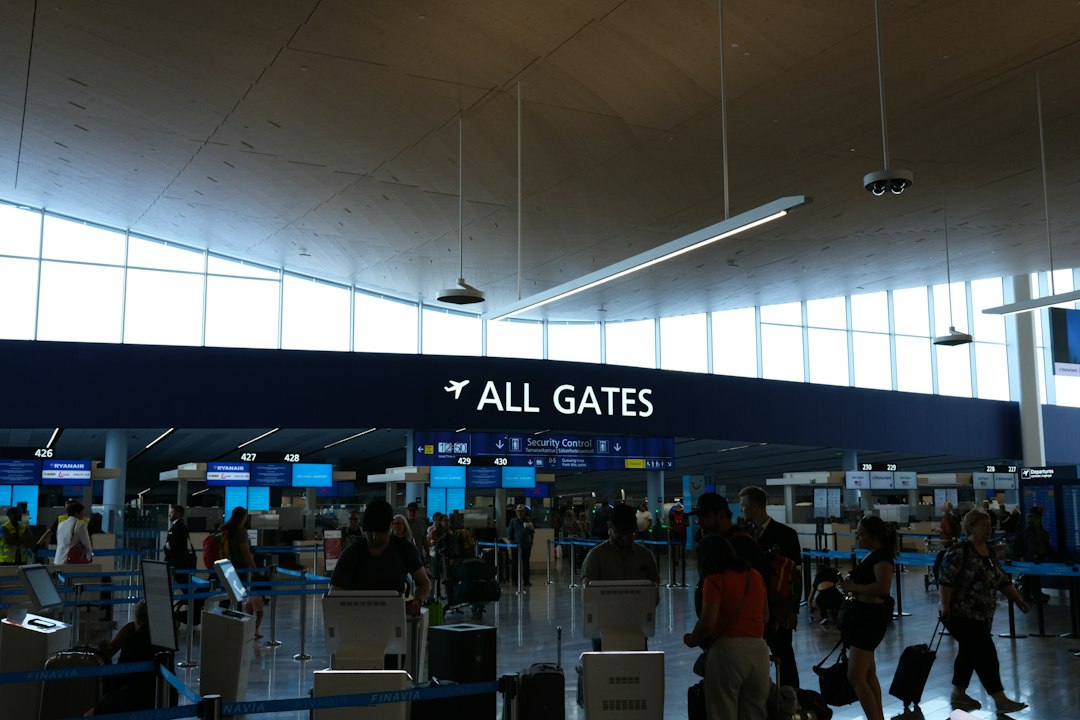
At the airport, use your phone. Take timestamped photos of your boarding pass, your Service Dog's behavior, and any written notices the airline gives you. If a gate agent verbally denies you access, ask them to put it in writing. Most will not, but the request itself is documented by your contemporaneous notes with time and name. Get the agent's name and employee number.
Email yourself a summary of what happened within an hour of the incident. Courts and regulatory agencies treat contemporaneous records as far more credible than recollections written days or weeks later. This habit costs you nothing and protects everything.
You can also learn more about traveling with a Service Dog on our site, including airline-specific tips and documentation considerations for 2026 travel.
Pattern Complaints and Systemic Change
Individual complaints matter most when they become part of a pattern. The DOT's enforcement history shows that systemic change in airline behavior happens when the agency identifies repeated violations by the same carrier across multiple passengers.
If you know of other handlers who experienced similar treatment on the same airline, coordinate your complaints. File separately but reference a shared pattern in your individual filings. Disability rights organizations such as the National Disability Rights Network maintain litigation tracking resources and may be able to connect your complaint to a broader advocacy effort.
Congressional oversight is another avenue that most handlers underestimate. The Senate Committee on Commerce, Science, and Transportation has jurisdiction over the DOT and the ACAA. A written communication to your senator or representative about a documented violation creates a paper trail that the DOT notices when it arrives alongside a formal complaint. Congressional inquiries to federal agencies are not ignored.
Our clinical team at TheraPetic® Healthcare Provider Group has observed through years of supporting handlers that the most successful outcomes come from handlers who treat their complaint as a formal legal record from the first moment of the violation, not an afterthought.
How TheraPetic® Supports Handlers
As a 501(c)(3) nonprofit healthcare provider, TheraPetic® Healthcare Provider Group was built around the belief that handlers should never face discrimination alone. Our Licensed Clinical Doctors work directly with individuals whose disabilities are served by psychiatric Service Dogs, and we understand what is at stake when an airline wrongly blocks access.
Our documentation is prepared by clinicians who understand Part 382 requirements and who know what language holds up under airline scrutiny. If your documentation was challenged during a flight and contributed to a denial of access, our team can review what was provided and work with you to ensure future documentation meets the current federal standard. Reach out to us at help@mypsd.org or call (800) 851-4390.
We also recommend reviewing our resource on psychiatric Service Dogs and federal law to understand how your rights are protected across different travel and housing contexts.
Practical Next Steps After a Violation
If an airline violated your ACAA rights, here is what to do in order. Request the CRO at the airport immediately. Document everything with timestamps. File your DOT complaint within 45 days while details are fresh. File a separate written complaint with the airline's accessibility office and request a formal written response.
Consult a disability rights attorney about state law claims and Section 504 viability. Contact a national disability rights organization if your case involves a pattern or has broader advocacy value. Keep every piece of correspondence and save all travel records.
The ACAA's enforcement gaps are real. But handlers who know the system, document precisely, and use every available channel create the best chance of individual resolution and contribute to the systemic pressure that drives airline accountability over time. You can also start by completing a clinical screening to ensure your Service Dog documentation is ready for 2026 air travel standards.
Written By
Ryan Gaughan, BA, CSDT #6202 , Executive Director
TheraPetic® Healthcare Provider Group • About • LinkedIn • ryanjgaughan.com
Clinically Reviewed By
Dr. Patrick Fisher, PhD, NCC , Founder & Clinical Director • The Service Animal Expert™
Editorial Review
This article was reviewed by Dr. Patrick Fisher, PhD, NCC on October 23, 2026 for accuracy, currency, and clarity. Content is updated when laws or guidance change.