Flying with a service dog requires understanding both federal law and individual airline policies. While the Air Carrier Access Act provides a foundation, each major carrier has specific procedures that can make or break your travel experience. This comprehensive guide compares how Delta, United, American, and Southwest handle service dog accommodations.
The key difference lies in advance notice requirements, documentation processes, and international flight restrictions. Some airlines require 48-hour notice, while others accept same-day requests. Understanding these nuances prevents travel disruptions and ensures your service dog receives proper accommodation.
Federal Law Baseline for Service Dogs
The Air Carrier Access Act establishes minimum standards that all US airlines must follow. Under federal law, airlines cannot charge fees for service dogs in the cabin. They cannot impose breed restrictions based solely on the dog’s appearance or breed type.
Airlines can require advance notice and documentation, but cannot demand more than 48 hours’ advance notice for domestic flights. The Department of Transportation’s service animal regulations specify that only dogs individually trained to perform tasks for people with disabilities qualify as service animals.
However, airlines retain significant discretion in their specific procedures. This creates variation in how carriers implement the federal requirements. Some streamline the process while others add multiple verification steps.
Delta Air Lines Service Dog Requirements
Delta requires service dog documentation at least 48 hours before departure for all flights. Their online portal allows travelers to submit required forms digitally. The airline requires both a veterinary health form and a service animal training certification.
For cabin space, Delta allows service dogs to occupy floor space at the handler’s feet. The dog cannot block aisles or emergency exits. On smaller regional aircraft, Delta may need to reseat passengers to accommodate the service dog properly.
Delta’s international flights follow destination country requirements. Some countries require quarantine periods or additional health certificates. Delta’s customer service can explain specific requirements for your destination, but travelers remain responsible for meeting foreign entry requirements.
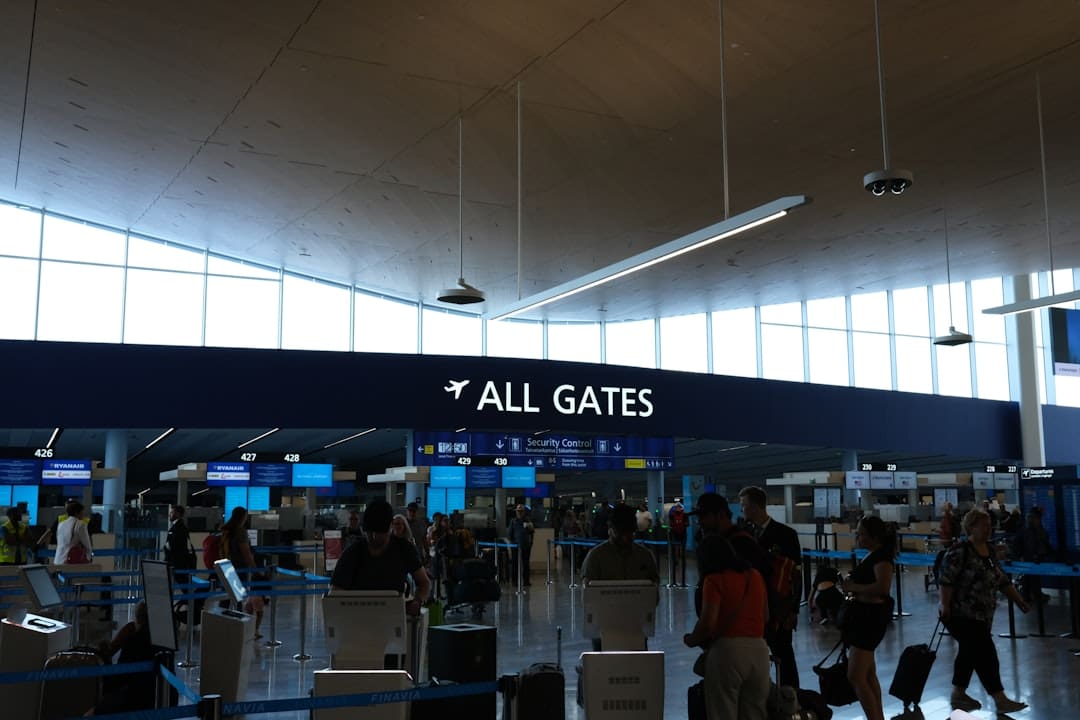
The airline has specific procedures for connecting flights. If your connection involves a different aircraft type, Delta ground staff coordinates seating arrangements to ensure adequate floor space. This coordination prevents last-minute boarding complications.
Delta’s policy prohibits service dogs from occupying passenger seats, even if you purchase an additional ticket. The dog must remain on the floor throughout the flight. Delta flight attendants receive training on service dog accommodations and can assist with minor adjustments during flight.
United Airlines Service Dog Guidelines
United Airlines accepts service dog requests up to the day of travel, though they recommend 48-hour advance notice. Their online system processes service dog documentation quickly. United requires a DOT Service Animal Air Transportation Form and veterinary health certificate.
United’s cabin policies focus on safety and comfort. Service dogs must fit within the handler’s designated floor space without extending into aisles. On United’s smaller regional jets, the airline may upgrade passengers to provide adequate space at no charge.
For international travel, United provides country-specific requirement guides. Some destinations require import permits or extended quarantine periods. United’s international desk can connect travelers with destination country veterinary services to ensure proper documentation.
United’s frequent flyer program includes service dog accommodations in elite status benefits. Premier members receive priority assistance with seating arrangements and connection coordination. This can be particularly valuable for complex international itineraries.
The airline’s mobile app includes service dog status tracking. Passengers can confirm their service dog accommodation through the app and receive updates about gate changes or aircraft substitutions that might affect seating arrangements.
American Airlines Service Dog Rules
American Airlines requires service dog notification at least 48 hours before departure. Their accessibility services team reviews documentation and coordinates with gate agents. American requires both health certificates and service animal identification forms.
American’s seating policy prioritizes bulkhead rows and exit rows for service dog handlers when available. The airline blocks adjacent seats when possible to provide additional floor space. American’s reservation system flags service dog accommodations to prevent accidental seat changes.
International flights through American require careful planning. The airline provides destination-specific checklists but emphasizes that travelers must secure required permits independently. American’s partnerships with international carriers can complicate documentation requirements on codeshare flights.
American’s Admirals Club lounges accommodate service dogs, providing relief areas and water bowls. This can be valuable during long layovers or flight delays. Lounge staff receive specific training on service animal etiquette and accommodation procedures.
The airline’s customer relations team handles service dog complaints and feedback. They maintain detailed records of service dog incidents and use this data to improve training and procedures across the system.
Southwest Airlines Service Dog Approach
Southwest Airlines takes a more flexible approach to service dog accommodations. They accept requests up to the day of travel and often approve documentation within hours. Southwest requires DOT forms and health certificates but streamlines the review process.
Southwest’s open seating policy benefits service dog handlers. Early boarding allows selection of seats with optimal floor space. Southwest recommends aisle seats in the first few rows for maximum space and easier bathroom access during flight.
The airline’s point-to-point route system simplifies international connections. Southwest’s limited international destinations reduce complex documentation requirements. Their customer service representatives receive extensive training on disability accommodations.
Southwest’s Companion Pass program extends to service dog handlers. Qualified passengers can designate a travel companion who flies free, which can be valuable when traveling with both a service dog and a personal companion.
The airline’s flight attendants receive regular refresher training on service animal policies. Southwest emphasizes customer service excellence, and this extends to disability accommodation procedures. Their internal feedback system captures service dog travel experiences to continuously improve procedures.
International Flight Special Considerations
International travel with service dogs requires navigating both US airline policies and destination country requirements. European Union countries have harmonized some service dog recognition, but many Asian and South American countries maintain strict import restrictions.
Quarantine requirements vary dramatically by destination. The United Kingdom requires a six-month preparation period including vaccinations and parasite treatments. Japan requires extensive health certificates and may mandate quarantine periods depending on the dog’s origin country.
Airlines cannot waive foreign government requirements, even for legitimate service dogs. Some destinations prohibit certain breeds entirely, regardless of service animal status. Research destination requirements at least six months before international travel.
Documentation apostille requirements add complexity to international travel. Many countries require official government authentication of veterinary certificates and training documentation. This process can take several weeks and requires careful timing coordination.
Return travel to the United States requires meeting US import requirements. The Centers for Disease Control and Prevention maintains specific rules for dogs entering the US, including rabies vaccination requirements and health certificates.
Documentation and Screening Requirements
All major airlines require DOT Service Animal Air Transportation Forms. This form confirms the dog’s service animal status and handler’s disability-related need. The form requires specific language about the dog’s training and behavior.
Veterinary health certificates must be recent, typically within 10 days of travel. The certificate confirms current vaccinations and the dog’s fitness for air travel. Some airlines require specific veterinarian license verification.
Training documentation varies by airline but typically requires certification from a recognized training organization. Professional service animal screening can help ensure your documentation meets airline requirements and prevents travel disruptions.
As a nonprofit organization dedicated to improving service animal access, TheraPetic® Healthcare Provider Group works to educate both handlers and service providers about proper accommodation procedures.
Airlines may require additional forms for international travel, psychiatric service dogs, or connecting flights. Reviewing specific airline requirements well before travel prevents last-minute documentation scrambles that can result in denied boarding.
Practical Tips for Smooth Air Travel
Arrive at the airport early when traveling with a service dog. Additional security screening and documentation verification can add 30-45 minutes to your check-in process. TSA PreCheck may not expedite service dog screening procedures.
Pack essential supplies in your carry-on bag. Include food, water bowls, waste bags, and any medications your service dog requires. Airport pet relief areas may not be easily accessible during connections.
Confirm your service dog accommodation 24 hours before departure. Aircraft changes or route modifications can affect seating arrangements. Most airlines provide dedicated phone lines for accessibility services that can quickly resolve issues.
Consider travel insurance that covers service dog-related trip disruptions. Some policies reimburse additional accommodation costs if flights are delayed or cancelled due to service dog documentation issues.
Maintain digital copies of all service dog documentation on your smartphone. Airport staff may need to verify information quickly, and having immediate access prevents delays. Cloud storage ensures access even if your primary device fails.
Research airport facilities at your departure, connection, and arrival airports. Some airports have dedicated service animal relief areas, while others require leaving the secure area. This information helps plan layover activities and timing.
Understanding airline policies prevents travel stress and ensures your service dog receives proper accommodation. Each carrier’s approach reflects their operational priorities and customer service philosophy. Choosing the right airline for your specific needs can make the difference between a smooth journey and a travel nightmare.
For personalized guidance on service animal documentation and airline compliance, contact our nonprofit team at (800) 851-4390 or help@mypsd.org. We’re committed to ensuring service animal handlers have the resources they need for successful air travel experiences.
Written By
Ryan Gaughan, BA, CSDT #6202 — Executive Director
TheraPetic® Healthcare Provider Group • About • LinkedIn • ryanjgaughan.com
Clinically Reviewed By
Dr. Patrick Fisher, PhD, NCC — Founder & Clinical Director • The Service Animal Expert™