

Flying with your service dog requires proper documentation, and the DOT form for service dog air travel is your key to smooth boarding. This federal form, required under the Air Carrier Access Act (ACAA), ensures airlines have the information they need to accommodate you and your service dog safely.
Getting this form wrong can mean missed flights, gate delays, and unnecessary stress. But filling it out correctly is straightforward when you know exactly what each section requires.
What Is the DOT Service Dog Form?
The DOT form for service dog air travel is an official U.S. Department of Transportation document that verifies your dog’ s status as a trained service animal. Airlines use this standardized form to confirm your service dog meets federal requirements for cabin travel.
The form serves two main purposes. First, it documents that your dog is individually trained to perform specific work or tasks related to your disability. Second, it confirms your dog’ s health, vaccination status, and behavioral training meet airline safety standards.
Unlike emotional support animal letters, which airlines no longer accept for cabin travel, the DOT form for service dog air travel is federally mandated documentation. Airlines cannot charge fees for service dogs traveling in-cabin with this proper documentation.
The form must be completed by you as the handler and signed by a licensed healthcare professional or trainer who can attest to your dog’ s service animal status and training.
When and Why Airlines Require the DOT Form
Airlines can request your DOT form for service dog air travel up to 48 hours before departure. Most airlines prefer receiving forms during booking or at least 72 hours in advance to avoid gate complications.
The form requirement kicks in for flights longer than 8 hours or international travel. Domestic flights under 8 hours may not require advance form submission, but having it ready prevents delays if gate agents request documentation.
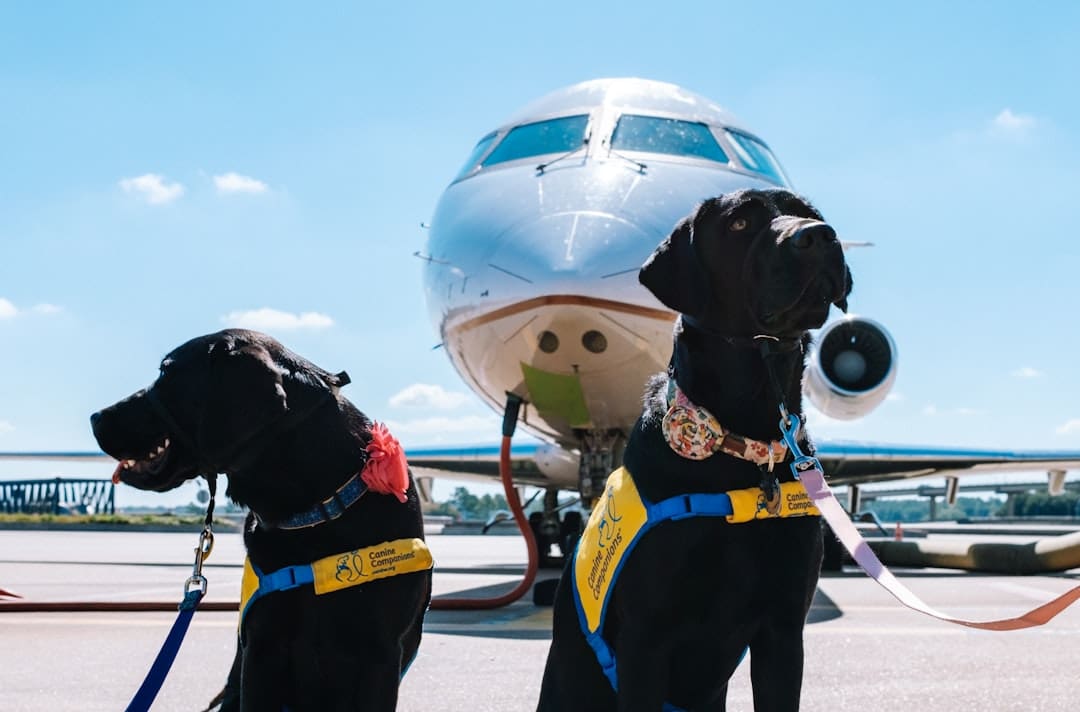
Airlines process these forms through their special assistance departments, not regular customer service. This review confirms your service dog meets training standards and health requirements before you arrive at the airport.
Some situations always trigger DOT form requirements. These include connecting flights through international airports, flights with aircraft changes, or travel during peak periods when airlines face capacity constraints.
The Air Carrier Access Act gives airlines this documentation right to maintain cabin safety and accommodate all passengers appropriately. Proper advance submission shows professionalism and reduces travel stress.
Step-by-Step Guide to Filling Out the DOT Form
Section 1 requires your personal information exactly as it appears on your government ID. Include your full legal name, address, phone number, and email. Mismatched names between your ID and DOT form cause immediate delays.
Section 2 covers your flight details. List your departure and arrival cities, flight dates, and airline confirmation number. If you have connecting flights, include all segments and layover airports.
Section 3 documents your service dog’ s basic information. Provide your dog’ s name, breed, age, weight, and color. Weight accuracy matters because it affects seating assignments and safety calculations.
Section 4 addresses your dog’ s training and tasks. Describe the specific work your service dog performs related to your disability. Use clear, factual language. Examples include “ alerts to oncoming seizures” or “ provides mobility stability support.”
Section 5 covers health and vaccination requirements. Your veterinarian must confirm current rabies vaccination and overall health fitness for air travel. Include vaccination dates and veterinary contact information.
Section 6 requires professional attestation. A licensed healthcare provider, certified dog trainer, or organization that trained your service dog must sign confirming your dog’ s service animal status and training.
Section 7 is your signature and date, certifying that all information provided is accurate and complete. False information on federal forms can result in penalties and travel restrictions.
Common Mistakes That Cause Flight Delays
The biggest mistake is leaving signature sections blank or having signatures that don’ t match required credentials. Professional attestation must come from someone legally qualified to verify service dog training and your disability-related needs.
Weight discrepancies between your DOT form and actual dog weight create problems during check-in. Airlines verify service dog weights for safety calculations. Being off by more than 5 pounds raises red flags.
Vague task descriptions fail airline review standards. Writing “ helps with my disability” instead of specific tasks like “ interrupts nightmares” or “ retrieves dropped medication” triggers form rejections.
Incomplete vaccination documentation stops flights immediately. Your DOT form must include current rabies vaccination with dates, veterinarian information, and confirmation that all required vaccinations are up-to-date.
Submitting forms too late leaves insufficient processing time. Even when airlines accept forms 48 hours before departure, earlier submission prevents last-minute complications that could ground your travel.
Using outdated form versions creates automatic rejections. The DOT updates service dog forms periodically. Always download the current version from the official Department of Transportation website before completing.
What Airlines Do With Your DOT Form
Airlines route your DOT form for service dog air travel through specialized accessibility departments staffed with trained reviewers who understand ACAA requirements and service dog regulations.
The review process typically takes 24-48 hours during business days. Reviewers verify that your form contains all required information, signatures match professional credentials, and your service dog meets federal training standards.
Approved forms trigger several airline actions. Your reservation gets flagged for service dog accommodation, seating preferences are noted, and gate agents receive instructions for your check-in process.
Airlines coordinate with airport security to streamline your screening process. TSA receives advance notice about your service dog, which can reduce security checkpoint delays and confusion.
Your DOT form information integrates with airline crew briefings. Flight attendants learn about your service dog’ s presence and any special accommodation needs before boarding begins.
Airlines maintain DOT form records for compliance auditing by the Department of Transportation. This documentation proves airlines are following ACAA requirements for service dog accommodations.
Additional Requirements Beyond the DOT Form
International flights require additional health certificates beyond your DOT form for service dog air travel. Destination countries have their own entry requirements for service dogs, including quarantine regulations and specific vaccinations.
Some airlines require behavior attestations separate from the DOT form. These documents confirm your service dog won’ t display aggressive behavior, excessive vocalization, or disruptive actions during flight.
Connecting flights through certain airports may trigger additional documentation requirements. International connection points often require transit permits even if you’ re not entering that country.
As a 501(c)(3) nonprofit organization, TheraPetic® Healthcare Provider Group helps individuals navigate complex service dog documentation requirements while ensuring proper legal protections under federal law.
Airlines may request veterinary health certificates dated within 10 days of travel for longer international flights. These certificates go beyond basic vaccination records to confirm fitness for extended air travel.
Travel insurance considerations become important when flying internationally with service dogs. Standard policies may not cover service dog-related delays or health emergencies in foreign countries.
Troubleshooting Tips for Form Rejections
Form rejections usually result from incomplete professional signatures or insufficient task descriptions. Contact the airline’ s accessibility department directly rather than general customer service for rejection explanations.
When airlines reject your DOT form for service dog air travel, they must provide specific reasons within 24 hours. Use this feedback to correct exact deficiencies rather than resubmitting the same incomplete form.
Professional signature issues often involve credential verification. Ensure your healthcare provider or trainer includes their license number, title, and contact information exactly as required by the form instructions.
Weight discrepancy problems require updated measurements and possible form amendments. If your service dog’ s weight has changed significantly since your last DOT form, complete a new form with current information.
Vaccination documentation problems typically involve expired rabies certificates or missing veterinary signatures. Schedule a veterinary visit if any vaccinations are approaching expiration before your travel dates.
Last-minute rejections require immediate airline escalation. Contact the airline’ s Customer Relations Officer (CRO) who has authority to resolve service dog accommodation disputes on-site.
Final Checklist Before You Fly
Review your completed DOT form for service dog air travel against the original requirements 72 hours before departure. Verify all signatures are present, dates are current, and information matches your identification documents.
Confirm your airline has approved your DOT form by checking your reservation online or calling their accessibility department. Approved forms should show special notations in your booking confirmation.
Pack extra copies of your DOT form, vaccination records, and service dog identification in carry-on luggage. Gate agents, TSA officers, and flight crews may request documentation at various checkpoints.
Prepare for airport security by reviewing current TSA screening procedures for service dogs and having your documentation easily accessible during checkpoint processing.
Contact your airline 24 hours before departure to reconfirm your service dog accommodation and address any last-minute questions about your DOT form or travel requirements.
Understanding airline policies beyond the DOT form helps ensure smooth travel. Research your specific airline’ s service dog policies and additional air travel requirements well before your departure date.
Proper DOT form completion removes barriers to air travel with your service dog while ensuring compliance with federal requirements. Taking time to complete this documentation correctly protects your travel rights and reduces stress for both you and your service dog.
If you need assistance with service dog documentation or have questions about your rights under the Air Carrier Access Act, TheraPetic® Healthcare Provider Group provides comprehensive resources and support. Visit go.mypsd.org or call (800) 851-4390 to speak with our team about your service dog travel needs.
Written By
Ryan Gaughan, BA, CSDT #6202 — executive Director
TheraPetic®® healthcare Provider Group • About • LinkedIn • ryanjgaughan.com
Clinically Reviewed By
Dr. Patrick Fisher, PhD, NCC, BC-TMH, C-AAIS — founder & clinical Director • the Service Animal Expert™